
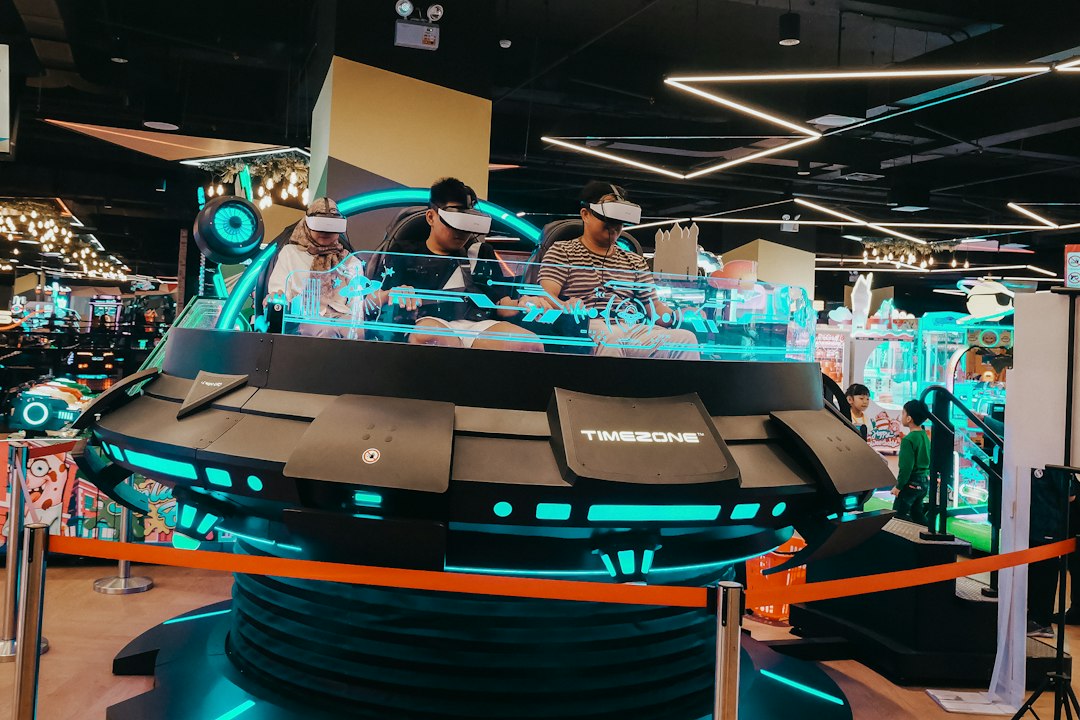
In recent years, augmented reality (AR) has emerged as a transformative technology that reshapes how businesses interact with their customers. By blending digital content with the real world, AR offers unique experiences that engage users in ways traditional media cannot. This article explores the significant impact of AR on various industries, highlighting its value proposition and practical applications that drive measurable outcomes.
Understanding Augmented Reality
Augmented reality enhances the real-world environment by overlaying digital information, such as images and sounds, onto physical spaces. This technology is not just for gaming; it has practical applications across sectors like retail, education, and healthcare. For instance, retailers can use AR to allow customers to visualize products in their own homes before making a purchase, significantly improving the shopping experience.
In a recent case study from San Francisco, a local furniture store implemented AR technology, enabling customers to see how a sofa would look in their living room. This innovative approach led to a 30% increase in sales within three months, demonstrating how AR can bridge the gap between online and offline shopping experiences.
Enhancing Customer Engagement
One of the primary benefits of augmented reality is its ability to enhance customer engagement. By providing interactive experiences, businesses can capture the attention of their audience more effectively than through traditional marketing methods. For example, AR applications can allow users to try on clothes virtually or test out makeup products, creating a more personalized shopping experience.
A clothing retailer in New York City adopted AR technology to create a virtual fitting room. Customers could see how different outfits looked on them without physically trying them on. This initiative not only improved customer satisfaction but also reduced return rates by 25%, showcasing the practical benefits of AR in retail.
Augmented Reality in Education
In the education sector, augmented reality is revolutionizing how students learn and interact with information. By integrating AR into the curriculum, educators can create immersive learning experiences that make complex subjects more accessible and engaging. For instance, AR can bring historical events to life or visualize scientific concepts in three dimensions.
A school district in Austin, Texas, implemented an AR program in its science classes, allowing students to explore the human body in a virtual environment. This hands-on approach resulted in a 40% improvement in student test scores, demonstrating the effectiveness of AR in enhancing educational outcomes.
AR in Marketing Strategies
Augmented reality is also becoming a vital component of modern marketing strategies. Brands are leveraging AR to create memorable campaigns that resonate with consumers. By integrating AR experiences into their marketing efforts, companies can differentiate themselves from competitors and foster brand loyalty.
A beverage company launched an AR campaign that allowed customers to scan their product labels to access exclusive content and promotions. This innovative approach led to a 50% increase in customer engagement on social media platforms, highlighting how AR can effectively drive marketing success.
Future of Augmented Reality
The future of augmented reality looks promising, with advancements in technology paving the way for even more innovative applications. As AR becomes more accessible and affordable, businesses across various industries will likely adopt this technology to enhance their operations and customer interactions. The potential for AR to transform sectors such as real estate, tourism, and entertainment is immense.
In conclusion, augmented reality is not just a passing trend; it is a powerful tool that can drive significant improvements in customer engagement, education, and marketing. By embracing AR, businesses can create unique experiences that resonate with their audience, leading to measurable outcomes and a competitive edge in today’s digital landscape.